Best Nursing Shoes for Swollen Feet: Comfortable Options for 12-Hour Shifts
By Ssemanda Bosco, RN | Nursing Embassy
Affiliate disclosure: As an Amazon Associate I earn from qualifying purchases. This article contains affiliate links. If you buy through them, I may receive a commission at no additional cost to you.
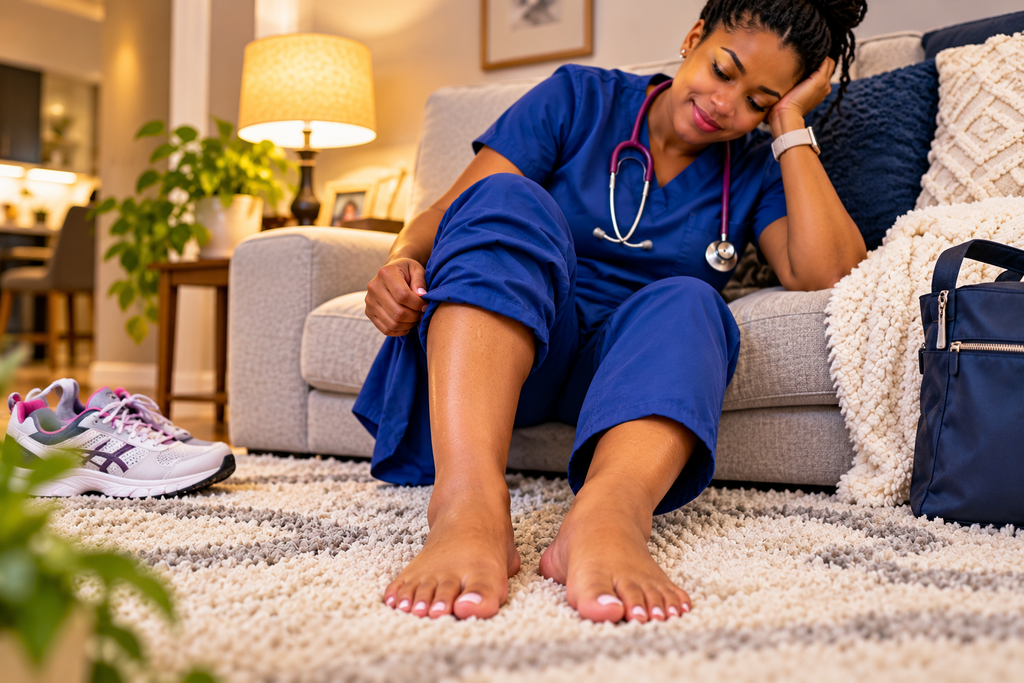
You are the nurse whose shoes fit comfortably at the beginning of the shift. By lunchtime, the laces feel tighter. By the time you finish your final med pass, your toes are negotiating for more space. It is now a “give me space” battle between your feet and shoes.
Sound familiar? Finding the best nursing shoes for swollen feet means looking beyond a soft sole or a popular brand. You need enough room for changes in foot size, an adjustable fit, and footwear that meets your workplace requirements.
This guide compares four options worth considering for 12-hour shifts and explains how to choose between them. These are feature-based recommendations, not claims that every shoe has been personally tested or will prevent swelling. The best pair is the one that fits your feet comfortably throughout your working day.
Why do we nurses get swollen feet during long shifts?
Long periods of standing or sitting usually causes your blood circulation to become sluggish. Ankles and feet may swell, which we call edema.
As a nurse, you already know that pregnancy, certain medications, and health conditions can also cause swelling. That means tight shoes after work deserve attention rather than an automatic assumption that your shift caused everything. [1]
A shoe that fits your foot early in the morning may feel restrictive later. Pressure can become noticeable across the toes, along the sides, or underneath the tongue.
Comfortable nursing shoes can accommodate these changes and avoid adding unnecessary pressure. Even though the best shoes for your swollen feet and ankles do not treat the underlying cause, they will make your shift a little easier.
What to look for in nursing shoes for swollen feet
Enough width and depth
Look for shoes that offer genuine width choices and enough space above your toes. Width and depth are different: a shoe may be wide across the forefoot but still press down on the top of your foot.
When trying on wide nursing shoes, check the entire fit. Your toes should move freely, the sides should not squeeze, and your heel should remain secure. A wide label is a starting point, not a guarantee.
An adjustable upper
Laces or adjustable straps let you change the fit when your feet feel fuller. A stretchable upper may also accommodate small changes in foot volume.
Pay attention to where the material stretches. A flexible forefoot is less helpful if the opening or tongue area still feels restrictive.
Cushioning that feels stable
Soft cushioning can feel pleasant, but the thickest sole is not automatically your best choice. Walk, turn, and stand in the shoes before deciding. You should feel supported rather than unsteady.
Choose cushioning based on your comfort and movement, the type of shoe you put on and your body whispers “I like that“. Do not shoes a shoe based solely on claims and promises to be the best nurse shoes for swollen feet.
Cushioning that feels stable
Soft cushioning can feel pleasant, but the thickest sole is not automatically your best choice. Walk, turn, and stand in the shoes before deciding. You should feel supported rather than unsteady.
Choose cushioning based on your comfort and movement, not a promise that a shoe will eliminate fatigue for every nurse.
Best nursing shoes for swollen feet: four options to compare
| Shoe | Main reason to consider it | Important buying check |
| HOKA Bondi SR Wide | Cushioned work shoe with water-resistant leather and a slip-resistant outsole | Confirm the SR model and wide width |
| Brooks Ghost Max 3 | Cushioned walking and running shoe with a broad base | Check width and workplace approval |
| Orthofeet Kita Hands-Free | Stretchable upper and convenient entry for women | Check opening pressure and local specifications |
| Skechers Work Arch Fit 2.0 Slip Resistant | Adjustable laces and a removable supportive insole | Check the exact style and available widths |
These options solve different fit problems. Start with what makes your current shoes uncomfortable: side pressure, pressure on top, inadequate toe room, or a fit you cannot adjust.
1. HOKA Bondi SR Wide: an option for nurses who need work footwear
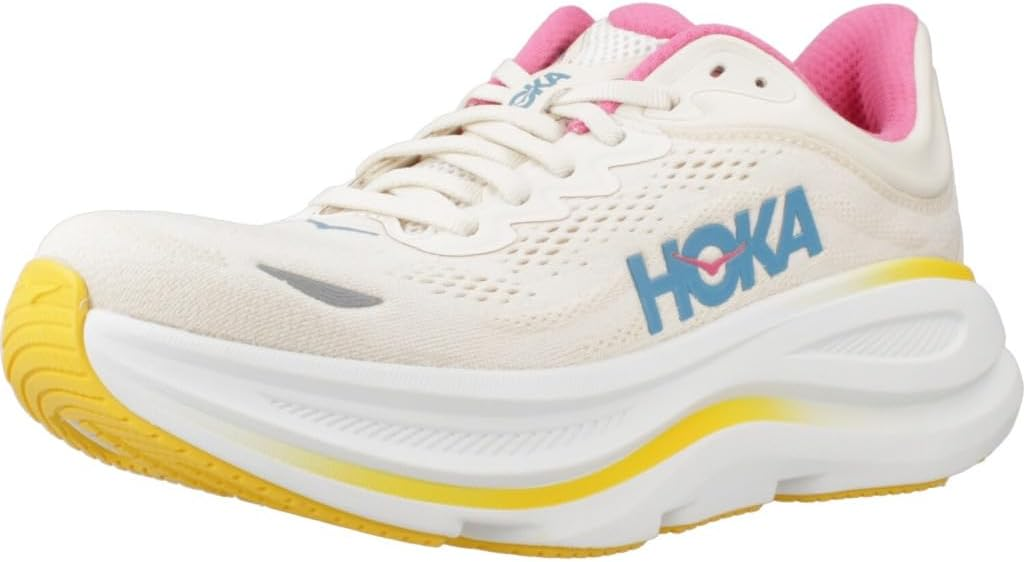
The HOKA Bondi SR Wide combines an EVA cushioned midsole with water-resistant leather and a slip-resistant outsole. HOKA identifies the model for professional use, making it a useful starting point when your feet demand specialized care. [2]
The wide version is worth trying if standard-width shoes squeeze your forefoot. However, leather may feel less forgiving than a stretchable fabric upper. Check for pressure over the top of your foot, especially when your feet are at their fullest.
Make sure you are comparing the Bondi SR. Features listed for this work model should not be assumed to apply to every shoe in the Bondi range.
Who should consider it? Nurses looking for cushioning, a leather upper, and manufacturer-described slip resistance in one shoe.
Check HOKA Bondi SR Wide sizes on Amazon
2. Brooks Ghost Max 3: An option for cushioned walking comfort
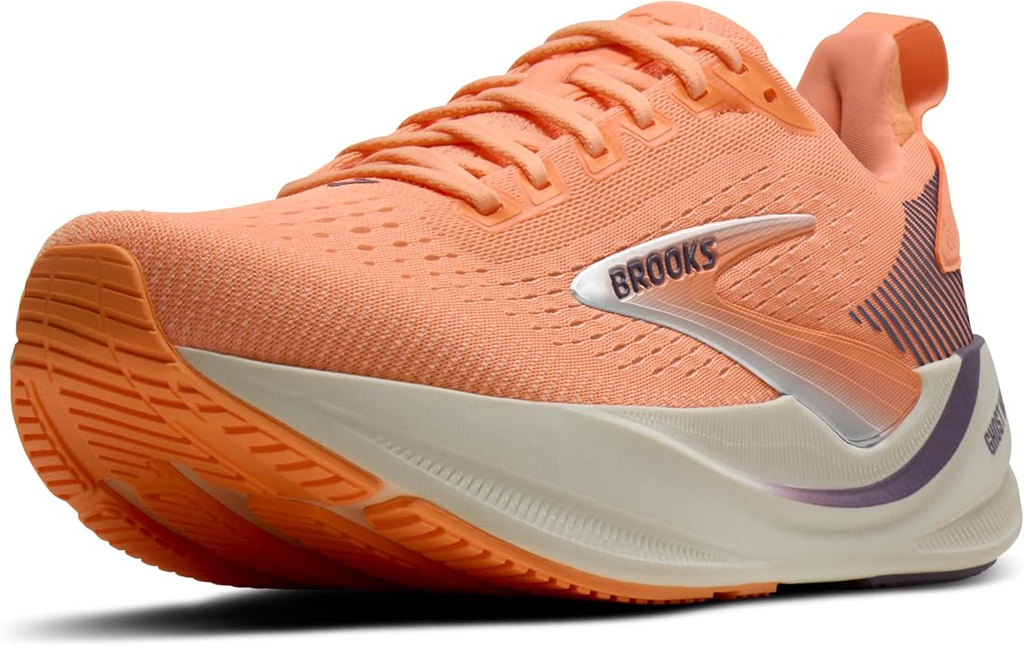
Brooks describes the Ghost Max 3 as a running and walking shoe with high-stack cushioning, a rocker shape, and a broad base for stability. The manufacturer’s product listing also identifies orthotics among its intended uses. [3]
For nurses considering athletic shoes for long shifts, the appeal is a cushioned platform with lace adjustment. Look for the width offered in your preferred men’s or women’s version rather than assuming every listing provides the same choices.
This is a running shoe, so do not treat it as equivalent to certified work footwear. Confirm that your unit permits the materials and outsole before buying.
Who should consider it? Nurses who prefer a cushioned walking feel.
Compare Brooks Ghost Max 3 widths on Amazon
3. Orthofeet Kita Hands-Free: an option with a stretchable upper
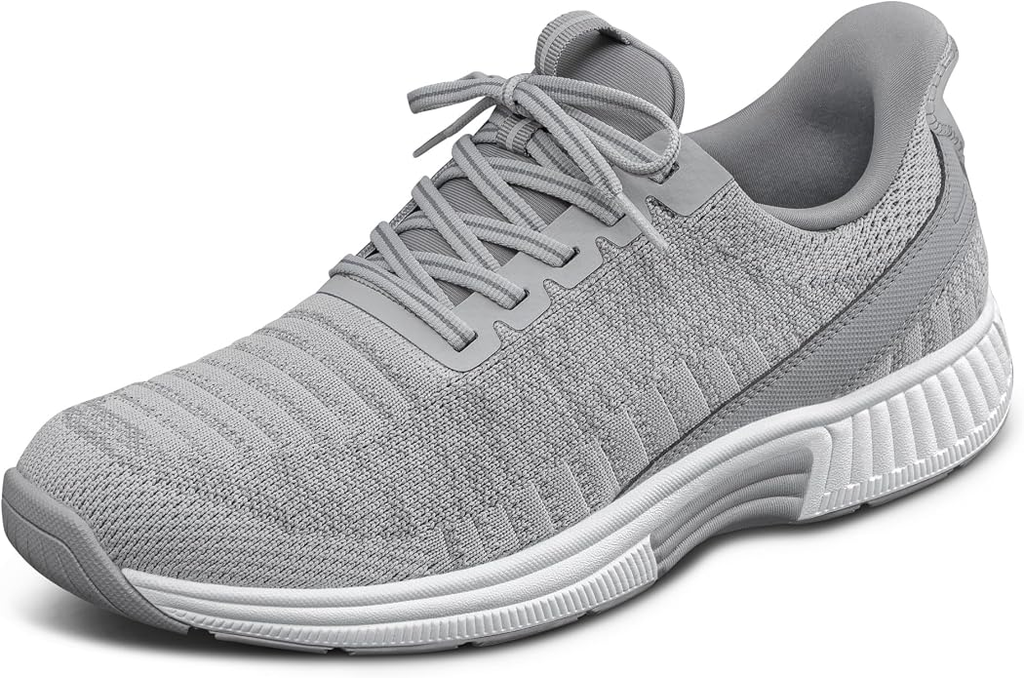
The women’s Orthofeet Kita Hands-Free uses stretchable fabric and a design intended to make putting shoes on easier. The manufacturer’s Canadian listing describes it as slip-resistant and water-repellent; check the specifications of the exact version sold in your country. [4]
A stretchable upper makes this model worth considering when rigid material feels restrictive. Still, easy entry does not guarantee a comfortable fit during swelling. Try the shoe when your feet feel fuller and check the collar, forefoot, and area above the toes.
If you use orthotics, assess the complete combination rather than judging the shoe alone. Extra material inside the shoe can change how much room remains.
Who should consider it? Women who prefer a flexible upper and convenient entry, provided the shoe meets their workplace policy.
View Orthofeet Kita sizes on Amazon
4. Skechers Work Arch Fit 2.0 Slip Resistant: an adjustable work option
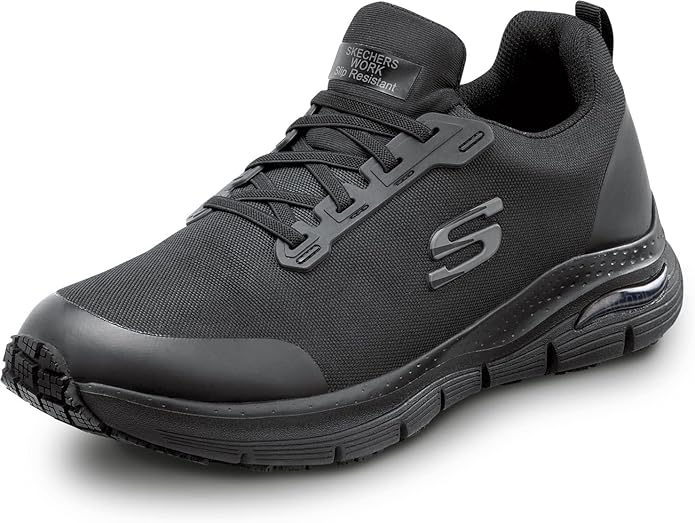
Skechers’ men’s Work Arch Fit 2.0 Slip Resistant listing describes a lace-up shoe with mesh and leather overlays, a removable Arch Fit insole, and a cushioned midsole. [5]
The laces offer a practical way to adjust pressure across the top of the foot. The removable insole is also worth checking if you use a separately prescribed insert.
Skechers sells many shoes with similar names. Match the exact Work and Slip Resistant model, then check width availability. Features can differ between men’s and women’s styles, even when the branding looks similar.
Do not assume this is always the cheapest option. Compare current prices, the seller, and the return terms for your size.
Who should consider it? Nurses looking for an adjustable work shoe with a removable supportive insole.
Check Skechers Work Arch Fit options on Amazon
Mistakes to avoid when buying comfortable nursing shoes

Choosing by popularity alone. Your colleague’s favorite shoe may be completely wrong for your foot shape. Use recommendations to build a shortlist, then judge the fit yourself.
Ignoring the top of the foot. Many buyers focus on toe-box width but overlook pressure under the tongue or around the shoe opening.
Adding insoles without checking space. A thick insert can make an otherwise comfortable shoe feel tight. Ask your clinician or fitter how to use prescribed orthotics correctly.
Buying the wrong version. A brand may offer work shoes and running shoes with similar names. Read the exact model description before purchasing.
Expecting footwear to cure swelling. Better shoes can improve fit and comfort, but repeated swelling may need medical assessment.
What else can help when your feet swell?
When practical, avoid staying in one position for prolonged periods. Gentle walking and resting with your legs raised can help with some forms of swelling. Persistent or worsening swelling should be assessed rather than managed through footwear alone. [1]
Compression socks may be appropriate for some people, but the type and pressure should suit your health needs. Ask a clinician before using them if you have circulation concerns, reduced sensation, or another relevant condition.
Seek urgent medical advice for unexplained swelling in one leg, sudden or severe swelling, or an area that is painful, red, or hot. Swelling accompanied by chest pain or difficulty breathing, or “passing out” requires emergency care; in the United States, call 911. [1]
Frequently asked questions
Are wide shoes better for swollen feet?
They can help when side pressure is the problem. However, you may also need extra depth or a more adjustable upper. A shoe should offer room without allowing excessive heel movement.
Should nurses with swollen feet buy a bigger size?
Sometimes, but first check width, depth, and the manufacturer’s sizing guidance. A longer shoe is not always the answer to a tight forefoot.
Are running shoes suitable for nursing shifts?
Some workplaces permit them. Others require specific traction or materials. Confirm your unit’s policy rather than assuming any comfortable athletic shoe is suitable.
Can nursing shoes prevent foot swelling?
No shoe can guarantee that. Appropriate footwear can accommodate changes in fit and reduce avoidable squeezing, but swelling has causes that shoes cannot resolve.
Choosing your next pair
The best nursing shoes for swollen feet give you room where you need it, adjustment where pressure develops, and a secure feel when you move.
Consider the HOKA Bondi SR Wide for work-focused features, Brooks Ghost Max 3 for athletic cushioning where permitted, Orthofeet Kita for a stretchable women’s option, or Skechers Work Arch Fit for adjustable work footwear.
Choose according to your foot shape and workplace policy. Your next pair should feel comfortable beyond the first medication round—and still fit when it is finally time to go home.
Sources
1. NHS — Swollen ankles feet and legs
4. Orthofeet — Kita Hands-Free
5. Skechers — Work Arch Fit 2.0 Slip Resistant
6. Amazon Associates — Disclosure guidance
Announcement
Are you a trusted brand in the medical field? This is my best platform to advertise your business with influencers. Influencer marketing is the new face of modern marketing. Start now.